

The Daily Grind: Real Talk from Behind the Bar
Your Grinder is More Important Than Your Machine
I’ve seen it a hundred times: someone drops serious cash on a shiny espresso machine but pairs it with a lackluster grinder. Here’s the truth your local coffee shop won’t tell you—the grinder is the foundation. A blade grinder smashes beans into uneven chunks, leading to bitter and sour flavors in the same cup. A good burr grinder creates consistent particles, which is the non-negotiable first step for even extraction. If your budget is tight, spend more on the grinder. You can make great coffee with a basic machine and a great grinder, but you’ll struggle with a premium machine and a poor grinder.
The “Stale” Myth: How to Really Store Your Coffee
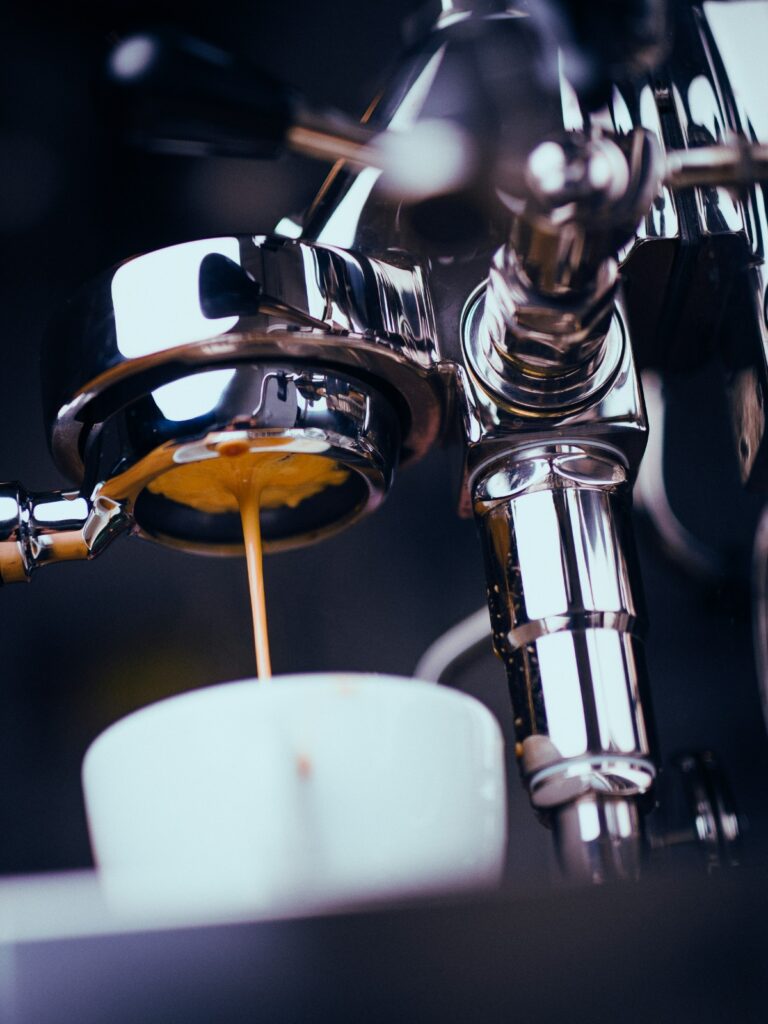
Forget the freezer. The real enemies of your coffee beans are air, light, heat, and moisture. That pretty, clear canister on your counter? It’s letting light degrade your beans. The best storage is simple: keep them in the bag they came in. Most quality roasters use bags with a one-way valve. Just squeeze the air out, roll the top down tightly, and stick it in a cool, dark cupboard. Buy only what you’ll use in a week or two. Freshness isn’t a date on a bag; it’s a flavor in your cup.
3. Water is 98% of Your Brew. Is Yours Good Enough?
You can buy the world’s best coffee and ruin it with bad water. If your tap water tastes like chlorine or minerals, that flavor will be in your coffee. Extremely hard water prevents proper extraction, while soft water can make coffee taste flat. The ideal is clean, filtered water. A simple activated carbon filter (like a Brita) can make a dramatic difference. It’s the cheapest upgrade you can make to your entire setup. Try a side-by-side test: brew one cup with tap water and one with filtered. The difference will be startling.
4. Dialing In Espresso: It’s a Feeling, Not Just a Formula
New baristas always ask for the exact recipe: “How many grams for how many seconds?” The numbers (like 18g in, 36g out in 28 seconds) are a starting point, not a finish line. Dialing in is about chasing taste. Is it sour and sharp? Your grind is likely too coarse, causing under-extraction. Grind finer. Is it bitter and hollow? Your grind is probably too fine, leading to over-extraction. Grind coarser. Your machine, your beans, even the day’s humidity change the rules. Taste everything, adjust by feel, and let your palate be the final judge.
5. The Paper Towel Trick for Perfect Milk Steaming
The secret to a quiet, seamless milk-steaming session isn’t a special pitcher—it’s a dry rag. Always keep a folded, dry paper towel or bar towel next to your machine. Before you steam, wipe the steam wand tip clean. Immediately after steaming, give it a quick purge (a burst of steam) to clear the nozzle, then wipe it down again while it’s still hot. Milk residue bakes onto a cold wand like cement, but a quick wipe when it’s hot keeps it spotless with zero scrubbing. This 5-second habit extends the life of your equipment and ensures every drink starts with a clean wand.
6. Understanding “Body” and “Acidity” Beyond the Jargon
Tasting notes say “bright acidity” or “full body,” but what does that feel like? Think of acidity as the crisp sensation you get from a green apple or a squeeze of lemon—it’s the lively, front-of-the-mouth sparkle that makes coffee taste vibrant, not sour. “Body” is the weight and texture. A coffee with heavy body might feel like whole milk coating your tongue, while a light body is more like skim milk or tea. Neither is inherently better. Liking coffee is about discovering which of these sensations you enjoy.
7. The 10-Second Rule for a Truly Clean French Press
French press coffee can be deliciously rich, but also muddy. The trick to a clean cup is in the plunge and the wait. After you’ve plunged, don’t pour it all out immediately. Wait about 10 seconds. This lets the very finest grounds settle to the bottom of the carafe. When you pour, you leave that silty layer behind. Pour slowly and stop before you reach the very bottom. Your last cup will be just as clear as your first.
8. Salvaging Sour or Bitter Espresso
You pulled a shot and it’s just… off. Don’t pour it down the drain yet. A sour (under-extracted) shot is lacking sweetness. Try adding a tiny pinch of salt on your tongue before the next sip. It sounds crazy, but salt neutralizes bitter and sour receptors and can reveal hidden sweetness. A bitter (over-extracted) shot can sometimes be balanced with a tiny drop of cold water to dilute the harshness. It won’t make it perfect, but it’s a useful trick to know when you’re dialing in and tasting multiple shots.
9. Why Your Home Espresso Tastes Different from the Cafe
It’s not (just) their $10,000 machine. It’s the ecosystem. First, volume. A cafe machine is pulling shots back-to-back, keeping the group head at a perfectly stable, hot temperature. Your home machine might heat up, cool down, and heat up again between uses. Second, beans. They go through kilos of coffee daily, meaning their beans are always ultra-fresh from being constantly replenished. At home, a bag lasts a week or more. Finally, water. Many shops have in-line filtration systems. Don’t get discouraged—aim for your best, not an exact replica.
10. The “WDT” Tool: A Game-Changer for Less Than $10
Channeling—when water finds a weak path through your espresso puck—is the enemy of even extraction. The biggest cause? Clumps of coffee grounds from your grinder. The fix is a WDT (Weiss Distribution Technique) tool. You can buy one or make one by sticking a few thin sewing needles or paper clips into a wine cork. Before you tamp, gently stir the grounds in the portafilter basket to break up clumps. This creates a uniform bed of coffee. Then tap to settle and tamp. This simple, nearly free step dramatically improves consistency, reducing sour and bitter spikes.
11. Don’t Fear the Dark Roast
In the specialty coffee world, light roasts often get the glory for their complex, fruity flavors. But a well-executed dark roast is an art form unto itself. It’s about developing deep, chocolatey, nutty, or caramelized sugar notes without tasting burnt or ashy. A good dark roast should have a smooth, rounded body and pleasant sweetness, not just harsh bitterness. If you prefer that classic, robust coffee flavor, seek out a specialty roaster who does a conscious dark roast, not just a default burnt one.
12. The One-Minute Cooling Trick for Better Pour-Overs
Your boiling kettle might be sabotaging your delicate pour-over. Water just off the boil (around 96-100°C/205-212°F) is great for extracting deep notes from dark roasts. But for a light roast with fragile floral or tea-like notes, that scorching heat can cook away the subtlety. Try this: boil your water, then pour it into your pouring kettle or even a separate vessel and let it sit for 60 seconds. This brings the temperature down to about 90-93°C (195-200°F), which can coax out incredible sweetness and clarity in lighter coffees without the astringency.
13. Listen to Your Coffee: The Sound of the Grind
Your ears are a tool. A grinder struggling with light roast, dense beans will sound different—often a higher-pitched whine or strain—than when it’s chewing through a softer, darker roast. If the sound suddenly changes mid-grind, it might mean your hopper is empty or beans are stuck (a phenomenon called “bridging”). When steaming milk, the sound tells the story. The initial phase should be a steady, paper-tearing sound as you introduce air. If it’s a high-pitched screech, you’re too shallow. If it’s a glugging sound, you’re too deep. Let sound guide your technique.
14. The Power of the Pre-Wet (or “Bloom”) in Manual Brewing
When you add hot water to ground coffee, it releases carbon dioxide (CO2). This gas repels water, blocking extraction. The “bloom” is your counter-attack. For pour-overs and French press, start by adding just enough hot water to saturate all the grounds (about twice the weight of the coffee). Then, wait 30-45 seconds. You’ll see the grounds bubble and puff up as gas escapes. After this rest, continue with your main pour. This simple pause allows water to make proper contact with the coffee grounds, leading to a more even and complete extraction and a sweeter, cleaner cup.
15. Reset Your Palate with Sparkling Water
If you’re tasting multiple coffees (like at a cupping or when dialing in espresso), your palate gets fatigued. The oils and fine particles coat your tongue. The professional trick? Sip plain, room-temperature sparkling water between tastes. The carbonation and neutral pH help “scrub” your palate clean, resetting it for the next coffee. It’s more effective than still water or a cracker. Keep a bottle on your coffee station.
16. When “Fresh” is Too Fresh: The Degassing Dilemma
Coffee beans release CO2 for days after roasting. While you want fresh beans, using them immediately after roasting (within 1-3 days) can be problematic, especially for espresso. The excess gas causes erratic extraction, leading to wild shots that are impossible to dial in. For espresso, beans are often at their peak 5-10 days post-roast. For filter methods, 4-7 days is usually sweet spot. Check your bag for a “roasted on” date, not just a “best by” date.
17. The Ice Trick for a Quick, Cold Portafilter
A common beginner mistake is pulling a shot right after the machine says it’s heated up. The group head might be hot, but the portafilter basket is often stone cold from sitting out, which will immediately cool your espresso during extraction. Professionals keep portafilters locked in the group head to stay hot. At home, run a blank shot (with no coffee) through your portafilter for 5-10 seconds to heat it up. Conversely, if your portafilter is too hot to handle after a shot, don’t burn your fingers. Carefully run the cool tap water over the outside for a second—just the metal, not the basket—to cool it down for dosing the next shot.
18. Reading the Puck: Your Espresso’s Post-Mortem
After you knock out your espresso puck, take a look at it. A soggy, mushy, or cracked puck can be a diagnostic tool. If it’s soupy, your grind might be too fine, trapping water. If it’s cracked or dry, your grind might be too coarse, allowing water to channel through. A perfect puck should hold its shape, knock out in one solid piece, and be just slightly damp on top. It’s not a perfect science, but it’s a useful visual clue to add to your taste assessment.
19. Single Origin vs. Blend: It’s About Purpose, Not Superiority
Single-origin coffees (from one farm or region) are fantastic for highlighting unique, terroir-driven flavors—think of them like a solo musician. Blends combine beans from different origins to create a balanced, consistent, and often more versatile profile—like a harmonious band. A good espresso blend is designed to taste balanced as espresso, with milk, and even as filter coffee. Don’t think one is inherently better. Choose a single origin for a tasting experience, and a well-crafted blend for your reliable daily driver.